Android
OnePlus Never Settled, Until It Disappeared
OnePlus rose by giving Android enthusiasts flagship performance without flagship pricing. Twelve years later, collapsing U.S. sales, weak resale values, lost carrier support, uncertain updates, and the absorption of OxygenOS into Oppo’s ColorOS have brought the experiment to an end.
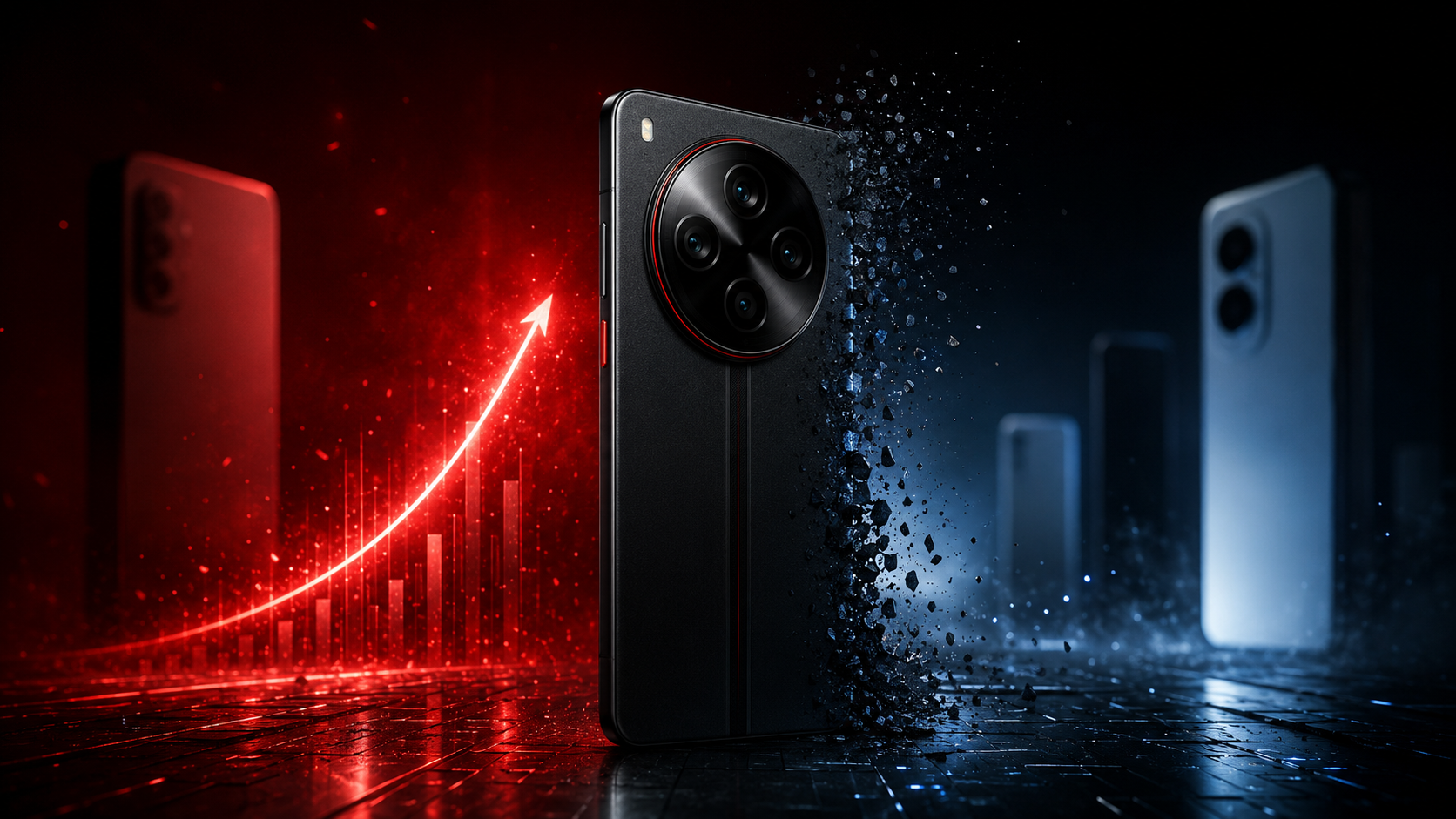
For more than a decade, “Never Settle” was one of the most effective promises in the smartphone business.
OnePlus did not begin by trying to outspend Samsung or outmarket Apple. It targeted the weaknesses of established Android manufacturers: bloated software, slow performance, excessive pricing, unnecessary features, and phones designed by committees instead of enthusiasts.
The original OnePlus One arrived in 2014 with a flagship Snapdragon processor, generous memory, clean software, and a starting price of only $299. Buying one required an invitation, which could be frustrating, but it also transformed the phone into something people actively wanted to discover.
OnePlus felt exclusive without being expensive.
Over time, the company built some of the most interesting Android phones ever sold in the United States. It helped normalize high-refresh-rate displays, exceptionally fast charging, large batteries, abundant memory, clean software, and premium performance at prices below the traditional flagships.
Then OnePlus slowly became the company it had been created to challenge.
Prices increased. The product lineup expanded. Cameras became more complicated without consistently beating Samsung, Apple, or Google. OxygenOS lost much of its independent identity. Carrier distribution disappeared. Trade-in values failed to support the increasingly premium prices.
Now the decline is official.
OnePlus has confirmed that it will no longer launch new products in North America or Europe. Existing customers have been promised continued software updates and after-sales support, but eligible devices will transition from OxygenOS to Oppo’s ColorOS. The OnePlus 15 will stand as the company’s final American flagship. OnePlus’ statement to WIRED, The Verge
This is not merely the disappearance of another phone brand. It is the conclusion of one of Android’s most important experiments—and another step toward an American smartphone market with far less meaningful competition.
The rise of the flagship killer
OnePlus understood the enthusiast market better than almost anyone in 2014.
The original OnePlus One did not need to be the most refined phone in the world. It needed to provide the specifications people cared about while eliminating the premium they did not want to pay.
Its $299 starting price was astonishing. The phone combined Qualcomm’s flagship processor with a large display, substantial memory, Cyanogen-based software, and a design that felt far more expensive than it was.
The compromises were real. Availability was limited, customer support was immature, the camera was not class-leading, and the invitation system created its own problems. None of that changed the central calculation: buyers were receiving an enormous amount of phone for the money.
OnePlus followed that formula through several generations. The OnePlus 3 and 3T improved the company’s credibility. The OnePlus 5 and 5T delivered excellent performance. The OnePlus 6 brought flagship-level speed to a $529 phone while Samsung and Apple were pushing farther into premium territory.
Just as importantly, OnePlus built a relationship with its audience.
The company communicated through forums, launch events, social media, and enthusiast communities. Owners did not merely purchase OnePlus phones; they joined OnePlus. Co-founder Carl Pei became the public face of that strategy, converting aggressive promises and unusual marketing into an intensely loyal following.
OnePlus was not just selling hardware. It was selling the feeling that its customers knew something the average smartphone buyer did not.
OxygenOS was the real product
The hardware attracted attention, but OxygenOS created loyalty.
Early OxygenOS releases felt fast, light, and intentional. The interface remained close enough to Google’s version of Android to feel familiar, while adding useful customization without overwhelming the operating system.
Animations were quick. Unwanted applications were limited. Performance remained responsive. Features such as the physical Alert Slider gave OnePlus phones an identity that was instantly understandable.
At a time when many Android interfaces were visually heavy and filled with duplicate services, OxygenOS felt refreshingly direct. OnePlus described the philosophy as “fast and smooth,” and for years that was more than a slogan.
There were update problems along the way. Rollouts could be inconsistent, bugs occasionally appeared, and older or less expensive models did not receive the same attention as current flagships. But the overall experience still felt distinct.
OnePlus had created an Android interface for people who wanted Google’s simplicity without buying a Pixel.
That identity would eventually become one of the biggest casualties of the company’s changing direction.
When the flagship killer became a flagship
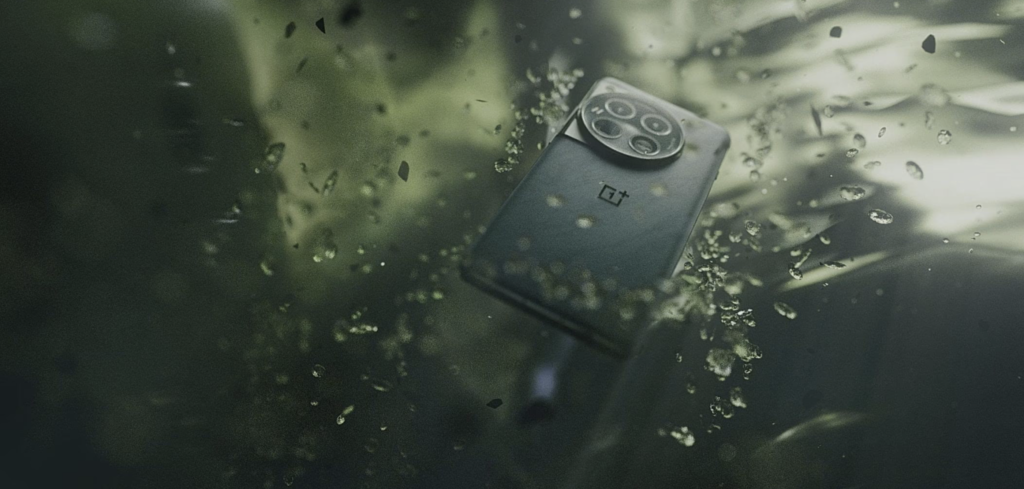
The OnePlus 7 Pro represented both the peak of the company’s ambition and the beginning of its transformation.
Its uninterrupted display, pop-up selfie camera, 90Hz refresh rate, excellent performance, and fast charging made it one of the most exciting phones of 2019. It proved OnePlus could build a genuine premium flagship rather than simply an inexpensive alternative.
The problem was that premium hardware required premium pricing.
In 2020, the regular OnePlus 8 started at $699. The OnePlus 8 Pro started at $899 and reached $999 with additional storage. That was a $230 increase over the starting price of the OnePlus 7 Pro and three times the original OnePlus One’s $299 price. Ars Technica
The OnePlus 8 Pro was an excellent phone. The price was not unreasonable for its specifications. But being reasonable was not the same thing as being disruptive.
At $299 or $529, buyers could overlook a weaker camera, uncertain support, limited retail availability, and mediocre resale value. At $899 or $999, those weaknesses were suddenly being compared directly with the Galaxy S series, iPhone, and Pixel.
OnePlus had moved into the premium market without building the complete premium ownership experience.
Samsung could offer carrier financing, aggressive trade-in credits, nationwide retail displays, same-day replacements, accessories, watches, tablets, service centers, and years of brand familiarity.
Google controlled Android and increasingly used Pixel software, AI features, cameras, and long-term updates as differentiators.
OnePlus still had speed and specifications. It no longer had an uncontested value argument.
Carl Pei’s departure changed the personality
Carl Pei left OnePlus in 2020 after nearly seven years with the company. He later founded Nothing, another brand built around distinctive design, community engagement, and enthusiast interest. The Verge
It would be too simplistic to blame OnePlus’ decline on one departure. The smartphone market was becoming more expensive and difficult regardless of who led the company.
Still, something changed.
Pei had been central to the public identity of OnePlus. He understood how to turn limitations into excitement and how to make a relatively small brand feel culturally important.
After his departure, OnePlus continued producing capable products, but the brand became more conventional. More phones appeared across more price categories. The Nord family expanded. Accessories, watches, tablets, and other ecosystem products followed.
The company grew into a broader consumer-electronics brand just as the qualities that made the original OnePlus special became harder to identify.
The Oppo question was always there
OnePlus was never as independent from Oppo as its startup image sometimes suggested.
Co-founder Pete Lau had previously worked at Oppo, the companies shared investors and supply-chain connections, and OnePlus hardware frequently had similarities to Oppo devices. That relationship became explicit in 2021 when OnePlus announced “deeper integration” with Oppo.
The companies combined resources and integrated the OxygenOS and ColorOS codebases. OnePlus said this would improve efficiency and deliver faster, more stable software updates.
From a business perspective, the decision made sense. Maintaining separate engineering teams, operating systems, camera platforms, and international organizations is expensive.
From a brand perspective, it was dangerous.
OxygenOS had been one of the clearest reasons to purchase a OnePlus phone. Once it began sharing its foundation and design language with ColorOS, many longtime users felt the software had become less distinctive, heavier, and more visually complicated.
The name remained OxygenOS outside China, but the difference increasingly felt like branding rather than engineering.
The latest announcement removes even that distinction. Once ColorOS 17 is available, eligible OnePlus devices will be offered a transition to Oppo’s operating system. Users may reportedly roll back to OxygenOS, but doing so is expected to mean giving up future updates. Devices that are not eligible for ColorOS will continue receiving maintenance support under their existing commitments. WIRED, The Verge
The move to Oppo is therefore real—but it means different things depending on location.
In Europe, Oppo continues selling its own phones and can become a direct replacement for OnePlus. In the United States, Oppo does not have an equivalent official retail presence. American OnePlus owners are receiving Oppo software support without being offered a straightforward path into a new Oppo flagship.
For the U.S., this is less of a brand transition and more of an exit.
The software-update problem
OnePlus eventually improved the length of its written update commitments.
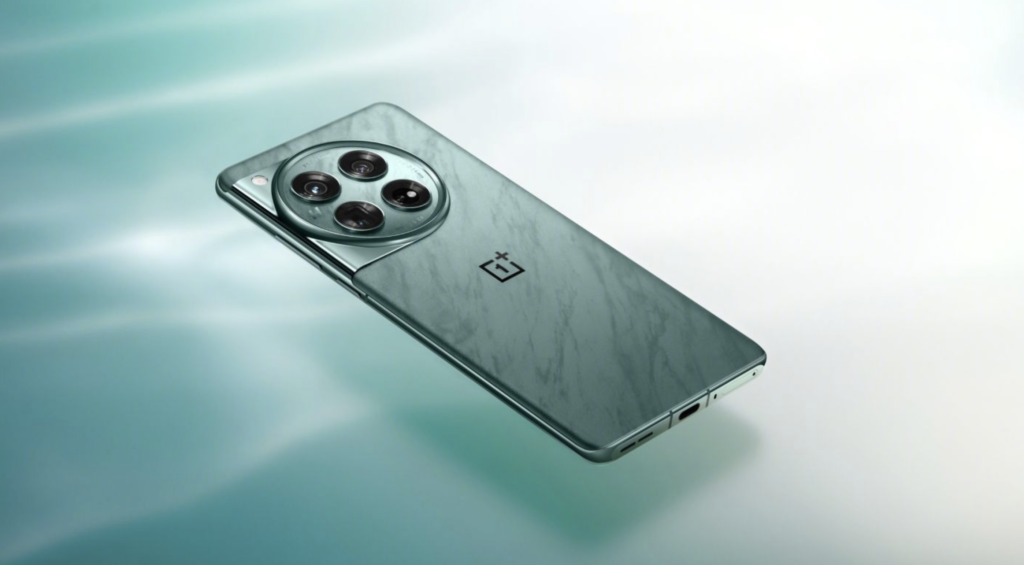
The OnePlus 11 was the company’s first device promised four major OxygenOS upgrades and five years of security updates. The OnePlus 13 and 13R expanded security coverage to six years while retaining four major Android upgrades. OnePlus also promised six years of security updates for products such as the Nord 4 and OnePlus Pad 3. OnePlus’ 2023 announcement, OnePlus Pad 3 announcement
That was a meaningful improvement over earlier policies. The original Nord was promised only two Android-version updates and three years of security patches. Less expensive Nord N models sometimes received only one major Android upgrade.
But the competition moved faster.
Google began offering seven years of operating-system, security, and feature updates on its modern Pixel flagships. Samsung matched that commitment on its premium Galaxy devices. Qualcomm and Google later created a technical framework capable of supporting as much as eight years on certain Snapdragon platforms, although manufacturers must still choose to implement it.
OnePlus’ four-upgrade policy therefore improved at exactly the moment it stopped looking exceptional.
Update quantity was also only part of the concern. Owners frequently complained about inconsistent rollout timing, regional differences, bugs introduced by major upgrades, and declining attention once a device was no longer current.
Now there is a more fundamental question: Who owns the promise?
OnePlus says users’ software and after-sales rights remain guaranteed. Oppo has made the same commitment. However, The Verge reported that Oppo would not provide detailed information about how U.S. warranty and support obligations will be handled once OnePlus no longer maintains an American presence.
There is no reason to declare existing phones abandoned today. But an update promise becomes less reassuring when the company that sold the device has left the market and the operating system named in that promise is being retired.
Trade-in value became a hidden OnePlus tax
OnePlus phones frequently appeared less expensive than competing flagships at checkout. The calculation became less favorable when it was time to upgrade.
Trade-in value depends on more than specifications. It reflects brand recognition, retail demand, carrier support, repair infrastructure, software longevity, and how easily the used phone can be resold.
OnePlus struggled in nearly all of those areas.
A historical depreciation study found that OnePlus 9 and 9 Pro trade-in quotes began approximately 55.6% below original retail pricing. Earlier OnePlus 7 and 8 families also experienced substantial value losses. BankMyCell depreciation report
The problem remains visible in current cash-buyback listings. On July 21, 2026, BankMyCell’s OnePlus 13 comparison showed an average cash value of approximately $209 for the 256GB model, with individual offers ranging from $33 to $431. That phone originally started at $899. Even the best listed offer represented a loss of more than half its original value, while the average represented a decline of roughly 77%. Prices fluctuate, but the spread itself demonstrates how uncertain the secondary market has become. Current OnePlus 13 quotes
OnePlus operates its own trade-in program, but it is less seamless than the strongest competing programs. Customers generally pay the full price of the new phone first, ship the old device within 21 days, wait for inspection, and then receive the confirmed value. Adjusted values may be rejected, but certain differences and canceled-purchase scenarios are issued as OnePlus cash coupons rather than cash. Those coupons are valid for 12 months and can only be used through OnePlus. OnePlus trade-in FAQ
That arrangement already placed more friction and risk on the buyer. With new U.S. product launches ending, store-specific OnePlus credit becomes considerably less attractive.
Samsung, Google, and American carriers routinely use elevated trade-in promotions to preserve upgrade loyalty. Those promotional credits are not the same as true resale value, but they reduce the practical cost of remaining in an ecosystem.
OnePlus never built an equally dependable upgrade cycle.
A phone that costs $100 less but returns several hundred dollars less at the next upgrade is not necessarily the better value.
Losing T-Mobile may have been the decisive blow
The American smartphone market is not primarily a direct-to-consumer market.
Most buyers still obtain phones through carriers, financing plans, retail stores, and promotional bill credits. A manufacturer can build an exceptional unlocked phone, but without carrier shelves, employee recommendations, monthly financing, and upgrade promotions, most American customers will never seriously consider it.
T-Mobile gave OnePlus its best opportunity to cross that barrier.
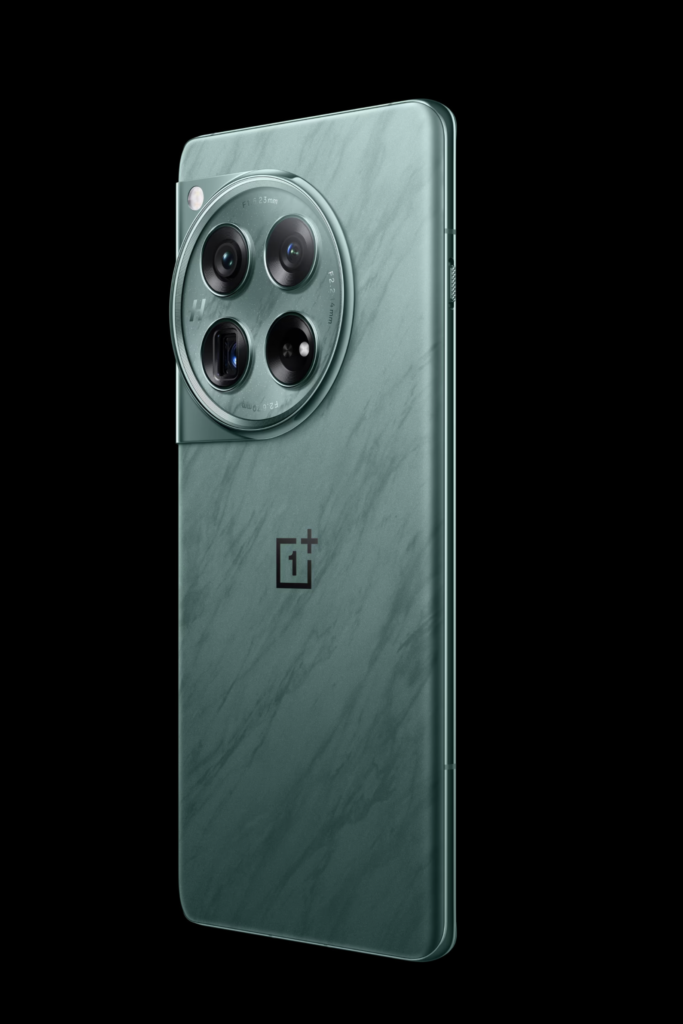
In 2021, T-Mobile was the exclusive U.S. carrier for the OnePlus 9 series and offered prominent discounts, trade-in promotions, and nationwide retail availability. T-Mobile’s OnePlus 9 announcement
That relationship did not last. T-Mobile stopped selling OnePlus flagships after the OnePlus 10 generation, and the OnePlus 11 returned to direct and unlocked retail distribution. Verizon had offered limited OnePlus support even earlier but never developed the relationship into a durable product line.
OnePlus phones could still be purchased online, but they had effectively disappeared from the place where Americans buy most of their phones.
According to IDC figures reported by WIRED, OnePlus shipped approximately one million smartphones in the United States in 2019. By 2025, that figure had fallen below 130,000—a decline of roughly 90%. Its American market share dropped from 1.8% in 2021 to only 0.1% in 2025.
Approximately two-thirds of U.S. phone volume flowed through carriers in 2025. OnePlus had lost access to the channel it needed most.
Excellent hardware could not save the business
The frustrating part of this story is that OnePlus did not stop making good phones.
The company continued pushing fast charging, high-refresh-rate displays, abundant RAM, performance-focused cooling, silicon-carbon battery technology, and ambitious foldables. The OnePlus Open was one of the most convincing early alternatives to Samsung’s Galaxy Z Fold. Recent OnePlus flagships delivered enormous batteries and performance that could compete with almost any Android phone.
OnePlus often remained the enthusiast’s choice on a specification sheet.
But a phone is no longer only a collection of specifications.
Buyers are purchasing years of software updates, trade-in eligibility, carrier compatibility, accessories, repair availability, AI services, wearable integration, and confidence that the manufacturer will still be present at the next upgrade.
OnePlus remained competitive at making the physical device. It fell behind at making ownership feel secure.
Is U.S. Android really down to Samsung and Google?
Strictly speaking, Samsung and Google are not the only Android manufacturers in the United States.
Motorola remains a significant player and shipped 3.2 million phones in the United States during the second quarter of 2025. That was four times Google’s 800,000 units during the same period. TCL also maintains a presence in the affordable market. Nothing sells limited models to American buyers, and imported devices remain available to enthusiasts. Omdia
But shipments do not tell the entire story.
Motorola is strong in prepaid and lower-cost categories, yet it has struggled to offer a consistently available American flagship that competes across cameras, software, update duration, ecosystem support, and carrier promotion. Nothing remains small and does not have comprehensive U.S. carrier distribution. Xiaomi, Vivo, Honor, Oppo, and Realme sell compelling products globally but have little or no official American presence.
If the question is, “Which companies offer a nationally available, premium Android flagship with long-term software support, broad carrier compatibility, an established ecosystem, and dependable trade-ins?” then the practical American answer is increasingly Samsung and Google.
Even that makes the market sound more balanced than it is.
Google remains a relatively small hardware manufacturer. Samsung is the only Android company operating at anything close to Apple’s American scale. Apple and Samsung together controlled approximately 80% of the U.S. smartphone market in 2025, up from 73% in 2021.
OnePlus’ departure does not create this consolidation. It confirms it.
What OnePlus’ fall means for Android
Competition is not only about market share. It is about pressure.
OnePlus pressured Samsung and Google to improve performance, memory, charging speed, displays, and pricing. It demonstrated that enthusiasts would accept a less familiar brand when the value was compelling enough.
Without companies like OnePlus, established manufacturers have fewer reasons to take risks.
Samsung can continue refining the Galaxy S series without facing a widely available Snapdragon-powered challenger offering faster charging and larger batteries for less money.
Google can focus on cameras, software, and AI without needing to match the raw charging speed or performance value of a OnePlus flagship.
American buyers lose access to hardware innovations already common elsewhere, including larger silicon-carbon batteries, extremely fast wired charging, more adventurous foldables, and aggressive memory configurations.
The global Android market remains highly competitive. The American Android market does not.
Where Next?
OnePlus did not fall because it suddenly forgot how to build phones.
It fell because the entire reason for choosing OnePlus became harder to explain.
The company began with flagship hardware at an almost unbelievable price. It added clean, enthusiast-focused software and a community that made buyers feel personally connected to the brand.
Then the price gap narrowed. OxygenOS became ColorOS in everything but name. The co-founder most associated with the company’s personality left. The product line became crowded. Updates improved but remained behind the longest commitments. Carrier distribution collapsed. Trade-in values made upgrading increasingly painful.
By the time OnePlus was producing some of its most technically impressive phones, it had lost the identity and infrastructure needed to sell them in America.
Oppo may preserve parts of the engineering, software, and product philosophy. It may even provide excellent ColorOS updates to existing devices. But that is not the same as preserving OnePlus.
“Never Settle” once meant rejecting the compromises imposed by established smartphone companies.
In the end, OnePlus settled into Oppo, and American Android became smaller because of it.

Written by
Bryan
Independent technology coverage focused on useful context, real-world experience, and honest recommendations.